Kyoto’s Shadow: The Poetry of Cedar and Paper
By Aria Chen · 9 minutes reading time
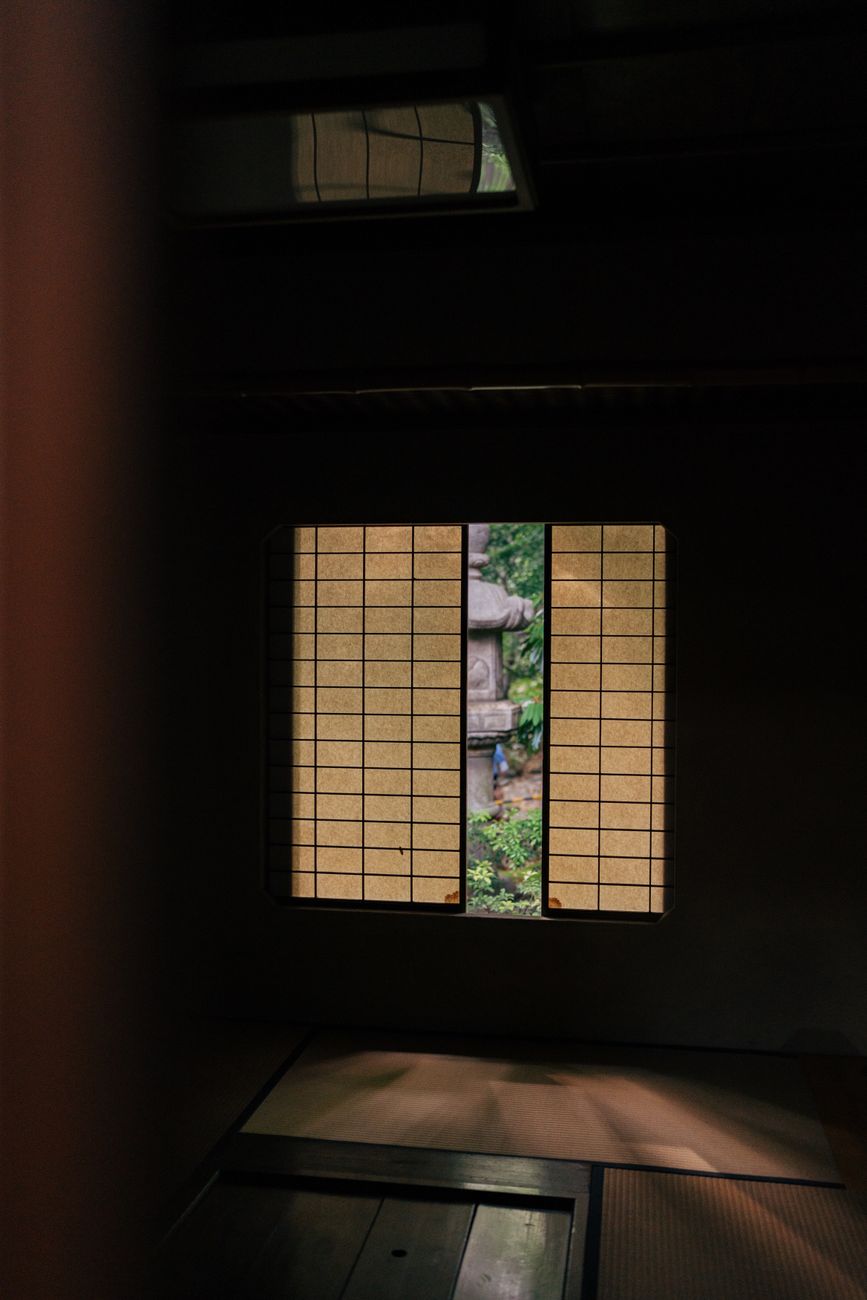
In his seminal 1933 essay In Praise of Shadows, Jun'ichirō Tanizaki lamented the Western compulsion to illuminate every corner with harsh, unfiltered brilliance. Within the classic timber machiya of Kyoto, light is treated as a guest that enters politely, filtered through washi screens and softened by aged cedar pillars.
Stepping off the crowded avenues into these narrow, deep residential structures—traditionally nicknamed "the bedrooms of eels"—one immediately notices the thermal and acoustic insulation provided by natural materials. The sound of bamboo rustling in the tiny interior tsuboniwa garden replaces metropolitan traffic.
"Beauty does not exist in the things themselves, but in the patterns of shadows, the light and darkness, that one thing against another creates."
The Etiquette of Stillness
True immersion in Japanese hospitality requires shedding western urgency. When tea is served, the host observes the humidity of the garden, the season of the scroll hung in the alcove, and the cadence of conversation before heating water over charcoal embers.
We recommend lingering in neighborhood ryokans outside the major temple corridors, walking early morning alleys before storefronts unveil their curtains, and patronizing craftsmen who carve wooden joinery using hand planes rather than electric saws.
Planning an Introspective Journey?
We connect travelers with traditional craftspeople, teahouse curators, and heritage ryokans across Japan.
Plan With Us