The Stone Terraces of the Mediterranean Rim
By Julian Thorne · 7 minutes reading time
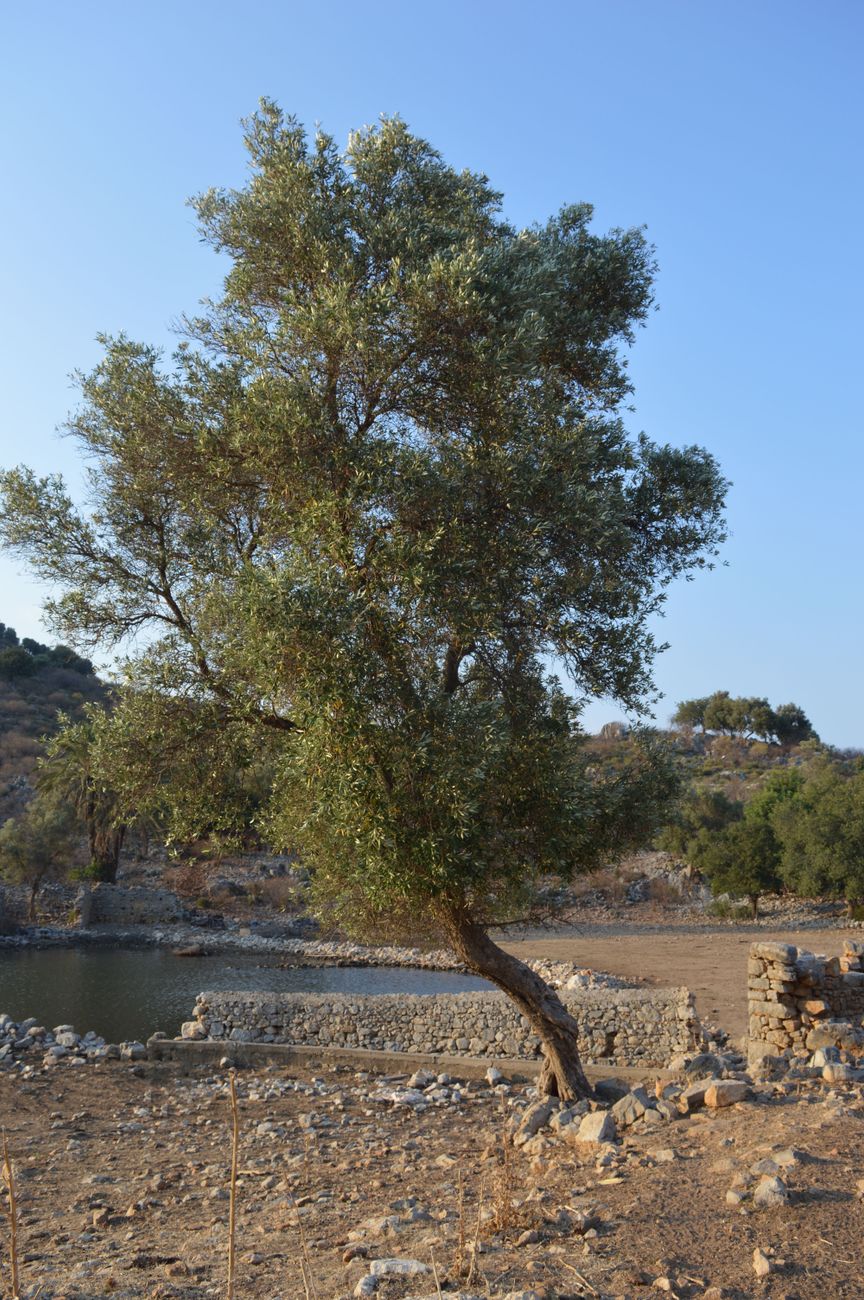
For over two millennia, agrarian communities along the rugged cliffs of the Mediterranean have piled limestone against slopes without mortar. Known variably as muretti a secco or bancales, these dry-stone walls do far more than delineate property: they capture ambient nocturnal humidity, prevent topsoil erosion, and cradle ancient olive roots.
Traveling through these hills requires leaving vehicular highways behind. When you walk the stone paths on foot, the sensory atmosphere shifts completely. The heat radiating off the white stone carries the scent of wild rosemary, fennel pollen, and dry earth.
"To understand a landscape, you must observe the structures that were assembled without iron, nails, or cement."
Finding Rest Within The Olive Groves
A handful of family-managed masserias have elected not to expand their bed capacity, intentionally capping their guest intake to maintain the acoustic and agricultural integrity of the land. Staying here means waking up to simple sheep's milk ricotta, cold-pressed olive oils, and afternoons undisturbed by amplified music.
- Avoid visiting during peak August heat; opt instead for late May or mid-October.
- Choose accommodations that actively maintain working groves and harvest rain cisterns.
- Travel with reusable water containers and support communal mountain bakeries.
Inspired by this dispatch?
Our studio drafts personalized European itineraries honoring slow transit and regenerative accommodations.
Inquire About Itineraries